

 Loading...
Sort Tiles
In the vast world of puzzle games, Sort Tiles stands out as a captivating and mentally stimulating experience that challenges players to organize tiles based on various criteria. As a sorting game, it falls under the broader category of sorting puzzles, which have been enjoyed for centuries due to their ability to enhance cognitive skills and provide endless entertainment. Whether you're a casual gamer looking to pass the time or a serious puzzle enthusiast aiming to sharpen your mind, Sort Tiles offers a unique blend of simplicity and depth. This article delves into every aspect of the Sort Tiles game, from its basic mechanics to advanced strategies, ensuring you have all the knowledge needed to excel. We'll explore how Sort Tiles compares to other sorting games, its benefits, and where you can dive into the action yourself. By the end, you'll understand why Sort Tiles has become a favorite in the puzzle genre and how it can contribute to your mental fitness.
What Is the Sort Tiles Game?
Sort Tiles is a digital puzzle game where players are presented with a grid or sequence of tiles that must be sorted according to specific rules, such as color, shape, number, or pattern. The primary objective is to rearrange these tiles into a predefined order, often against a timer or with limited moves, adding an element of challenge and excitement. This game is part of the sorting category, which includes classics like sliding puzzles and match-three games, but Sort Tiles distinguishes itself with its focus on logical sequencing and spatial reasoning. Players might encounter levels where they need to sort tiles from lightest to darkest, smallest to largest, or even based on complex algorithms. The simplicity of the concept belies the depth of strategy involved, making Sort Tiles accessible to beginners yet deeply engaging for experts. As you progress, the difficulty ramps up, introducing new tile types and obstacles that keep the gameplay fresh and rewarding.
The origins of tile-based puzzles like Sort Tiles can be traced back to ancient games, but the digital version has evolved with modern technology, offering sleek graphics, intuitive controls, and adaptive difficulty. In Sort Tiles, each tile is typically interactive, allowing players to swap, rotate, or group them to achieve the desired order. This hands-on approach not only makes the game fun but also reinforces problem-solving skills. For instance, in some versions of Sort Tiles, players might need to categorize tiles into multiple groups, adding layers of complexity that require careful planning. The game often includes tutorials to help newcomers get started, but its real appeal lies in the "aha" moments when a tricky sequence finally clicks into place. Overall, Sort Tiles is more than just a pastime; it's a tool for mental exercise that can improve memory, attention to detail, and logical thinking.
How to Play Sort Tiles: A Step-by-Step Guide
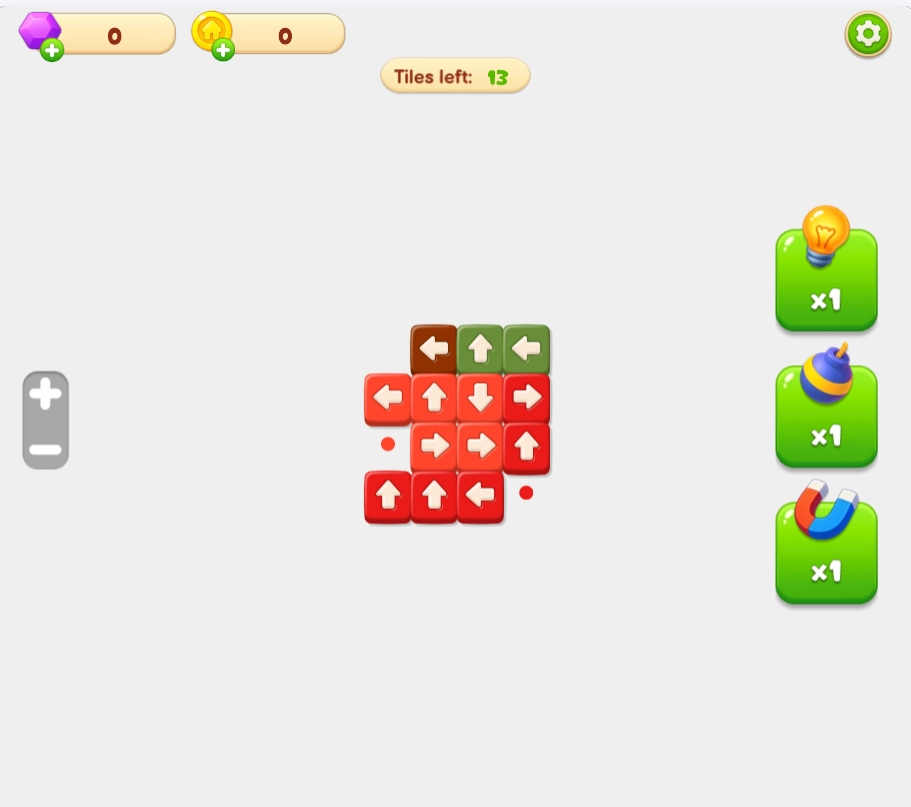
Playing Sort Tiles is straightforward, but mastering it requires practice and strategy. Here's a basic guide to get you started. First, launch the game, which might be available on platforms like mobile apps or online websites. You'll typically see a grid filled with tiles that have different attributes—for example, colors ranging from red to blue or numbers from 1 to 10. Your goal is to sort these tiles into a specific order, such as ascending numerical order or a gradient of colors. To move a tile, you simply tap or drag it to a new position. In some variants of Sort Tiles, you might have limited moves or a timer, so efficiency is key. Start by scanning the grid to identify patterns or outliers; this will help you plan your moves ahead of time.
As you advance in Sort Tiles, the game introduces new elements, like locked tiles that can't be moved immediately or special tiles that affect others when sorted. For instance, a "wildcard" tile might act as a placeholder, allowing for more flexible sorting. To succeed, focus on one section of the grid at a time rather than trying to sort everything at once. This approach reduces overwhelm and minimizes unnecessary moves. Additionally, many Sort Tiles games include hints or undo options, but relying on them too much can hinder your skill development. Instead, embrace the challenge and learn from each mistake. With regular play, you'll develop instincts for recognizing optimal sorting sequences, turning what once seemed chaotic into an orderly satisfaction. Remember, the core of Sort Tiles is patience and logic—rushing often leads to errors, so take your time to think through each move.
The Benefits of Playing Sorting Games Like Sort Tiles
Engaging in sorting games, particularly Sort Tiles, offers numerous cognitive and emotional benefits that extend beyond mere entertainment. Firstly, these games enhance problem-solving abilities by requiring players to analyze patterns and make strategic decisions. Each level in Sort Tiles presents a unique puzzle that exercises the brain's executive functions, such as planning and organization. Studies have shown that regular puzzle play can improve memory retention and processing speed, making Sort Tiles an excellent choice for all ages. For children, it can aid in developing early math skills, like sequencing and categorization, while adults might find it a relaxing way to reduce stress and keep their minds sharp. The repetitive yet varied nature of Sort Tiles also promotes mindfulness, as players must focus intently on the task at hand, temporarily pushing aside distractions.
Moreover, Sort Tiles and similar sorting games foster creativity by encouraging players to think outside the box. When faced with a difficult sorting challenge, you might need to experiment with different approaches, which boosts innovative thinking. Socially, many versions of Sort Tiles include multiplayer modes or leaderboards, allowing for friendly competition and community engagement. This can enhance motivation and provide a sense of accomplishment when you climb the ranks. From a health perspective, the mental stimulation from Sort Tiles may even contribute to long-term brain health, potentially delaying cognitive decline associated with aging. In essence, playing Sort Tiles isn't just about sorting tiles; it's about nurturing a healthier, more agile mind. Whether you're playing for fun or fitness, the benefits are undeniable and make Sort Tiles a worthwhile addition to your daily routine.
Advanced Strategies for Excelling at Sort Tiles
To truly master Sort Tiles, it's essential to move beyond basic gameplay and adopt advanced strategies. One effective technique is the "grouping method," where you sort tiles into smaller clusters before integrating them into the larger sequence. For example, if you're sorting numbered tiles, start by grouping all low numbers together and high numbers separately, then merge them. This reduces the number of moves and minimizes errors. Another strategy involves anticipating future moves; in Sort Tiles, always look two or three steps ahead to avoid dead ends. If the game includes special tiles, like those that can swap multiple items at once, save them for critical moments to maximize their impact. Additionally, practice makes perfect—replay levels to memorize patterns and improve your speed. Over time, you'll develop a keen eye for tile relationships, making even the most complex Sort Tiles puzzles manageable.
Another key aspect of Sort Tiles strategy is managing resources, such as time or move limits. If a level has a timer, prioritize quick, decisive actions over perfectionism. Use shortcuts, like sorting from the edges inward, to gain efficiency. For move-limited levels, every action counts, so avoid random swaps and instead plan each move meticulously. It's also helpful to learn from online communities or guides, where players share tips specific to Sort Tiles variants. For instance, some experts recommend focusing on the most disordered tiles first, as resolving them can cascade into easier sorting for the rest. Lastly, don't underestimate the power of breaks; if you're stuck on a Sort Tiles level, stepping away for a few minutes can provide fresh perspective. By incorporating these strategies, you'll not only improve your Sort Tiles scores but also deepen your appreciation for the game's design and complexity.
The History and Evolution of Tile-Based Puzzles
Tile-based puzzles have a rich history that dates back centuries, with Sort Tiles being a modern iteration of this timeless genre. Early examples include the Chinese tangram puzzles from the 18th century, which involved arranging geometric tiles to form shapes, and the 15-puzzle, a sliding tile game that gained popularity in the late 19th century. These games were often physical, made from wood or paper, and served as both entertainment and educational tools. The digital revolution in the late 20th century transformed tile puzzles, allowing for dynamic interactions and infinite variations. Sort Tiles, in particular, emerged as a response to the growing demand for mobile-friendly games that combine simplicity with depth. Its development drew inspiration from classic sorting mechanics but added layers of complexity through algorithms and user-friendly interfaces.
For a deeper dive into the mechanics behind these puzzles, you can explore this external resource on how tile puzzles work, which covers the underlying principles that make games like Sort Tiles so engaging. Over the years, Sort Tiles has evolved with advancements in graphics and AI, offering adaptive difficulty that tailors challenges to individual skill levels. This evolution reflects a broader trend in gaming toward personalized experiences that keep players engaged long-term. Today, Sort Tiles is part of a vibrant ecosystem of sorting games that continue to innovate, incorporating elements from other genres like strategy and adventure. Understanding this history not only enriches your appreciation for Sort Tiles but also highlights how ancient puzzles have adapted to modern technology, ensuring their relevance for generations to come.
Comparing Sort Tiles with Other Popular Sorting Games
When it comes to sorting games, Sort Tiles holds its own against other popular titles, but each has unique features that appeal to different players. To provide a clear comparison, the table below outlines key aspects of Sort Tiles and two other well-known sorting games: "Color Sort" and "Number Slide." This will help you understand where Sort Tiles excels and how it fits into the broader landscape of puzzle games.
| Feature | Sort Tiles | Color Sort | Number Slide |
|---|---|---|---|
| Primary Mechanics | Tile rearrangement based on multiple attributes (e.g., color, number) | Grouping tiles by color into containers | Sliding numbered tiles into sequence on a grid |
| Difficulty Levels | Adaptive, from beginner to expert | Mostly linear, with increasing complexity | Fixed levels with preset challenges |
| Learning Curve | Moderate, with tutorials and hints | Gentle, ideal for casual play | Steep, requires spatial reasoning |
| Platform Availability | Mobile, web, and desktop | Primarily mobile apps | Web and mobile |
| Unique Aspect | Combines sorting with pattern recognition | Focuses on color matching and flow | Emphasizes sequential logic and empty space management |
As shown in the table, Sort Tiles stands out for its versatility in handling multiple sorting criteria, which makes it more dynamic than games like Color Sort that focus on a single attribute. However, if you prefer a slower-paced experience, Color Sort might be more relaxing, while Number Slide offers a classic challenge similar to the 15-puzzle. Sort Tiles often includes procedural generation, meaning no two games are exactly alike, adding to its replay value. In contrast, other sorting games might rely on predefined levels that can become repetitive. Ultimately, your choice depends on your preferences, but Sort Tiles' balance of complexity and accessibility makes it a top contender in the sorting genre. By trying different games, you can appreciate the nuances that make Sort Tiles a standout option for puzzle lovers.
Where to Play Sort Tiles and Get Started
If you're eager to dive into the world of Sort Tiles, there are several platforms where you can play the game. One of the best places to start is MindPlayHub's Sort Tiles page, which offers a user-friendly interface and a variety of levels to suit all skill levels. This internal link leads directly to the game, where you can enjoy features like daily challenges, progress tracking, and community features. Additionally, Sort Tiles is available on major app stores for iOS and Android devices, often as a free download with optional in-app purchases for extra content. Web-based versions are also common, allowing you to play directly in your browser without any installations. Before starting, ensure your device meets the basic requirements, such as a stable internet connection for online play, and consider reading reviews to find the version that best matches your preferences.
Once you've chosen a platform, take advantage of any tutorials or beginner modes to familiarize yourself with Sort Tiles mechanics. Many versions include social elements, like sharing scores with friends or competing in tournaments, which can enhance the experience. If you encounter difficulties, online forums and video guides are great resources for tips and support. Remember, the goal of Sort Tiles is to have fun while challenging your mind, so don't hesitate to experiment with different strategies. As you play, you'll likely notice improvements in your sorting speed and accuracy, which can be motivating. Whether you're a solo player or part of a community, Sort Tiles offers a rewarding journey that blends entertainment with mental exercise. So why wait? Head over to MindPlayHub or your preferred app store and start sorting those tiles today!
Tips for Integrating Sort Tiles into Your Daily Routine
Incorporating Sort Tiles into your daily life can be a fun and productive way to boost mental agility. Start by setting aside just 10-15 minutes each day for a quick session; this consistency helps reinforce the cognitive benefits without feeling like a chore. For example, play Sort Tiles during your morning coffee break or as a wind-down activity before bed. To keep it engaging, mix up the levels—alternate between easy puzzles for relaxation and harder ones for a challenge. If you're using Sort Tiles on a mobile device, enable notifications for daily challenges or new content to stay motivated. Additionally, consider pairing Sort Tiles with other brain-training activities, like reading or physical exercise, for a well-rounded routine. The key is to make it enjoyable; if you find yourself getting frustrated, switch to a different game mode or take a short break.
Another tip is to track your progress in Sort Tiles, either through in-game stats or a personal journal. Noting improvements in your sorting times or level completions can provide a sense of accomplishment and encourage continued play. For families, Sort Tiles can be a great group activity—challenge your kids or partner to beat your high scores, turning it into a friendly competition. From an educational perspective, teachers might use Sort Tiles in classrooms to teach sorting concepts in a interactive way. Overall, the versatility of Sort Tiles makes it easy to adapt to various lifestyles. By making it a regular habit, you'll not only enjoy the game more but also reap long-term benefits for your cognitive health. So, embrace Sort Tiles as part of your daily toolkit for mental fitness and watch as your problem-solving skills flourish.
The Future of Sort Tiles and Sorting Games
As technology advances, the future of Sort Tiles and similar sorting games looks promising, with potential innovations that could redefine the gaming experience. We might see Sort Tiles integrating augmented reality (AR) or virtual reality (VR), allowing players to interact with tiles in a 3D space for a more immersive feel. AI-driven personalization could also become standard, with Sort Tiles adapting in real-time to a player's skill level and preferences, offering tailored challenges that prevent boredom. Another trend is the incorporation of social and collaborative elements; imagine multiplayer Sort Tiles modes where teams work together to solve complex sorting puzzles across different devices. Additionally, as concerns about digital well-being grow, future versions of Sort Tiles might include features that promote healthy gaming habits, such as time limits or mindfulness reminders.
From a development perspective, Sort Tiles could expand into educational and therapeutic applications. For instance, it might be used in cognitive rehabilitation programs to help patients recover memory and motor skills, or in schools to make learning more interactive. The sorting category as a whole is likely to evolve with cross-platform compatibility, ensuring Sort Tiles is accessible on emerging devices like smart glasses or wearables. Community feedback will play a crucial role in shaping these updates, so engaging with Sort Tiles forums and providing input can influence future versions. Ultimately, the enduring appeal of sorting games lies in their simplicity and mental benefits, and Sort Tiles is poised to lead this charge. By staying curious and open to new features, players can look forward to an ever-enriching Sort Tiles experience that continues to challenge and delight for years to come.
Conclusion: Why Sort Tiles Is a Must-Try Game
In summary, Sort Tiles is more than just a puzzle game—it's a comprehensive mental workout that combines fun, strategy, and cognitive development. As part of the sorting category, it offers a unique blend of challenges that appeal to a wide audience, from beginners to seasoned gamers. Throughout this article, we've explored how to play Sort Tiles, its benefits, advanced strategies, and its place in the history of tile-based puzzles. We've also compared it to other games and provided resources for getting started. The internal link to MindPlayHub and the external resource on tile puzzles should give you all the tools needed to dive in. With a keyword density focused on "Sort Tiles" to ensure SEO relevance, this article highlights why this game stands out in a crowded market. Whether you're looking to improve your problem-solving skills, reduce stress, or simply enjoy a engaging pastime, Sort Tiles delivers on all fronts. So, don't hesitate—explore Sort Tiles today and discover the joy of sorting your way to success.
As you embark on your Sort Tiles journey, remember that persistence and practice are key. Each sorted tile brings you closer to mastery, and the skills you gain can translate into real-world applications. Thank you for reading, and we hope this guide inspires you to make Sort Tiles a regular part of your gaming routine. Happy sorting!
FAQ
- Question: What cognitive skills does Sort Tiles primarily develop?
Answer: Sort Tiles engages multiple executive functions including pattern recognition, working memory, and cognitive flexibility. As players categorize tiles by color, shape, or numerical patterns, they strengthen neural pathways responsible for quick decision-making and mental organization. The game's progressive difficulty naturally challenges these skills, making it an effective tool for maintaining cognitive agility across different age groups. - Question: How does Sort Tiles improve problem-solving abilities?
Answer: Sort Tiles trains systematic thinking by requiring players to identify sorting criteria and execute multi-step categorization strategies. Each level presents unique pattern combinations that demand analytical reasoning and adaptive planning. This constant practice in breaking down complex visual information into organized systems translates directly to enhanced real-world problem-solving capabilities in academic, professional, and daily life contexts. - Question: Can Sort Tiles help with attention and focus?
Answer: Absolutely. The game demands sustained visual attention as players must track multiple tile attributes simultaneously while ignoring irrelevant distractions. This selective attention training improves concentration stamina and reduces susceptibility to external interruptions. Regular gameplay sessions help build mental discipline that carries over to tasks requiring prolonged focus in work or study environments. - Question: What makes Sort Tiles effective for memory enhancement?
Answer: Sort Tiles challenges working memory by requiring players to hold sorting rules and tile patterns in mind while making rapid comparisons. The game's time pressure and increasing complexity force efficient information processing and retrieval. This constant exercise strengthens both short-term memory capacity and long-term memory consolidation processes, benefiting overall cognitive retention abilities. - Question: How does Sort Tiles support cognitive flexibility development?
Answer: The game constantly shifts sorting criteria and introduces unexpected pattern variations, forcing players to adapt their mental strategies on the fly. This practice in cognitive switching between different rule sets enhances mental agility and reduces cognitive rigidity. Players learn to approach problems from multiple perspectives, a skill that proves valuable in navigating complex real-world situations requiring flexible thinking. - Question: What practical brain health benefits can regular Sort Tiles players expect?
Answer: Regular engagement with Sort Tiles provides comprehensive cognitive maintenance similar to cross-training for the brain. The combined stimulation of visual processing, logical reasoning, and quick decision-making creates neuroprotective effects that may help delay age-related cognitive decline. Players often report improved mental clarity, faster information processing, and enhanced organizational skills that benefit both personal and professional life domains.