

 (1 votes, average: 4.00 out of 5)
 Loading...

Just Mahjong
In the vibrant world of brain games, Just Mahjong stands out as a timeless classic that combines strategy, skill, and mental agility. This digital adaptation of the traditional Chinese tile-matching game has captivated players globally, offering a perfect blend of entertainment and cognitive exercise. Whether you're a seasoned mahjong enthusiast or a newcomer looking to sharpen your mind, Just Mahjong provides an immersive experience that challenges your brain in delightful ways. As a brain game, it transcends mere pastime, engaging multiple cognitive functions from memory and pattern recognition to strategic planning and decision-making. This article delves deep into the essence of Just Mahjong, exploring its history, gameplay, benefits, and why it remains a staple in the category of brain games.
What is Just Mahjong?
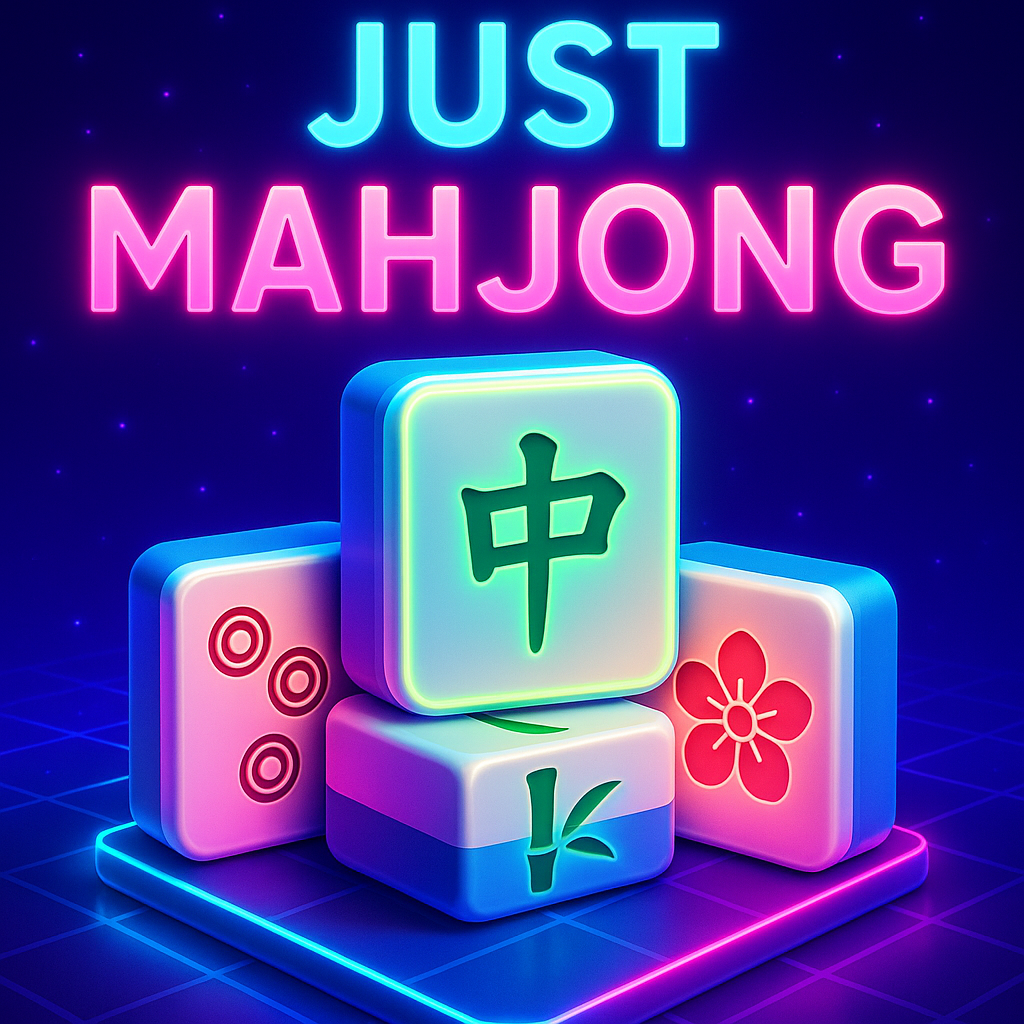
Just Mahjong is a digital version of the ancient game of Mahjong, specifically designed for online and solo play. Unlike the traditional four-player table game, Just Mahjong often revolves around solitaire-style tile-matching puzzles, where players clear a board by pairing identical tiles. The game typically features various layouts and difficulty levels, making it accessible yet challenging. At its core, Just Mahjong is a brain game that requires keen observation, quick thinking, and spatial reasoning. The tiles are adorned with Chinese characters, symbols, and suits, adding a cultural richness to the gameplay. For those unfamiliar, Just Mahjong serves as an excellent introduction to mahjong concepts without the complexity of multiplayer rules, emphasizing mental stimulation over social interaction.
The appeal of Just Mahjong lies in its simplicity and depth. Each session presents a unique puzzle, encouraging players to analyze the board, plan moves ahead, and adapt strategies on the fly. This makes Just Mahjong not just a game but a tool for cognitive enhancement. As a brain game, it targets areas like attention to detail, problem-solving, and patience. Moreover, Just Mahjong is often available on multiple platforms, from websites to mobile apps, ensuring that anyone can enjoy a quick mental workout anytime, anywhere. In the realm of brain games, Just Mahjong has carved a niche by balancing tradition with modern digital convenience.
The History of Mahjong and Just Mahjong
To appreciate Just Mahjong, it's essential to understand the roots of Mahjong itself. Originating in China during the Qing dynasty, Mahjong evolved from card games and dominoes, becoming a cultural phenomenon by the early 20th century. Traditionally played with four players, it involves drawing and discarding tiles to form specific combinations, akin to rummy. The game spread globally, adapting to various cultures and spawning numerous variants. Just Mahjong emerged as a digital offshoot in the late 20th century with the rise of computer gaming. By simplifying the rules for solo play, Just Mahjong made mahjong accessible to a broader audience, focusing on the tile-matching aspect that thrives as a brain game.
The transition to digital platforms allowed Just Mahjong to incorporate features like timed challenges, infinite layouts, and progress tracking, enhancing its appeal as a brain game. Today, Just Mahjong represents a fusion of ancient tradition and modern technology, offering a gateway to mahjong's rich heritage while serving as a potent mental exercise. For those interested in the physical aspects, exploring a mahjong set can provide deeper insights into the traditional game, but Just Mahjong stands on its own as a dedicated brain game. Its history reflects how classic games can evolve to meet contemporary needs, emphasizing cognitive benefits in a fast-paced world.
How to Play Just Mahjong: A Step-by-Step Guide
Basic Rules of Just Mahjong
Playing Just Mahjong is straightforward, yet mastering it requires practice. The game typically starts with a board layout of tiles stacked in various patterns, such as the classic "turtle" or "dragon" shapes. Each tile has a duplicate somewhere on the board. The objective is to clear all tiles by matching pairs that are identical in design and suit. In Just Mahjong, tiles can only be selected if they are "free," meaning no other tile is covering them on the left or right side. This rule adds a layer of strategy, as players must carefully consider which pairs to remove to unlock other tiles.
To play Just Mahjong, begin by scanning the board for obvious matches. Click or tap on two identical free tiles to remove them. As tiles are cleared, new ones become accessible, gradually revealing the underlying layers. In many versions of Just Mahjong, there are power-ups or hints to assist players, but relying on them too much can diminish the brain game benefits. The challenge escalates with complex layouts and time limits, pushing players to think quickly and strategically. For beginners, Just Mahjong often includes tutorials, but the core gameplay remains focused on observation and planning, making it an excellent brain game for all ages.
Advanced Strategies for Just Mahjong
Once you grasp the basics of Just Mahjong, advancing your skills involves adopting sophisticated strategies. First, prioritize matches that open up the most tiles, rather than clearing easy pairs at the top. This approach in Just Mahjong helps prevent dead ends where no moves are left. Second, memorize tile positions temporarily; while Just Mahjong is a visual game, mental mapping can speed up decision-making. Third, use shuffles or reshuffles sparingly—these features in Just Mahjong can reset the board but may reduce the cognitive challenge. As a brain game, Just Mahjong rewards patience and foresight, so take time to analyze the board before making moves.
Another key strategy in Just Mahjong is to focus on suits or symbols that appear less frequently, as matching them early can simplify the board. Additionally, practice with different layouts in Just Mahjong to adapt your thinking patterns. This variability is what makes Just Mahjong a enduring brain game, as it constantly presents new puzzles to solve. By honing these strategies, players can not only improve their Just Mahjong scores but also enhance cognitive skills like spatial reasoning and critical thinking, which are transferable to real-life situations.
Cognitive Benefits of Playing Just Mahjong
As a brain game, Just Mahjong offers a myriad of cognitive benefits backed by research on mental stimulation. Regular play can improve memory, as players must recall tile locations and patterns. The visual-spatial demands of Just Mahjong enhance the brain's ability to process and manipulate visual information, which is crucial for tasks like navigation and engineering. Moreover, Just Mahjong fosters problem-solving skills by requiring players to navigate complex layouts and anticipate consequences of moves. This brain game also promotes attention to detail, as overlooking a single tile can stall progress, training the mind to focus amid distractions.
In addition, Just Mahjong can slow cognitive decline in older adults, making it a valuable tool for brain health. The game's repetitive yet varied nature stimulates neuroplasticity, encouraging the brain to form new connections. For younger players, Just Mahjong serves as a fun way to develop executive functions like planning and impulse control. By engaging in this brain game regularly, individuals can boost their mental agility, much like physical exercise strengthens the body. Just Mahjong is not just entertainment; it's a workout for the mind, underscoring its place in the category of brain games.
| Cognitive Skill | How Just Mahjong Enhances It | Real-Life Application |
|---|---|---|
| Memory | Recalling tile positions and patterns during gameplay. | Remembering names, lists, and important information. |
| Visual-Spatial Reasoning | Analyzing tile layouts and understanding spatial relationships. | Reading maps, assembling furniture, or playing sports. |
| Problem-Solving | Strategizing moves to clear the board efficiently. | Resolving conflicts at work or planning projects. |
| Attention to Detail | Spotting matching tiles among many similar ones. | Proofreading documents or noticing errors in data. |
| Patience and Focus | Persisting through challenging layouts without rushing. | Staying calm under pressure or learning new skills. |
This table illustrates how Just Mahjong as a brain game translates into everyday cognitive improvements. By regularly engaging with Just Mahjong, players can cultivate these skills in an enjoyable, low-stress environment. The game's design inherently promotes mental exercise, making Just Mahjong a standout choice among brain games for those seeking to enhance their cognitive toolkit.
Just Mahjong vs. Other Brain Games
In the crowded landscape of brain games, Just Mahjong distinguishes itself through its unique blend of tradition, strategy, and accessibility. Compared to puzzle games like Sudoku or crosswords, Just Mahjong emphasizes visual and spatial skills over purely numerical or verbal ones. This makes it a complementary brain game that rounds out cognitive training. Unlike fast-paced action games, Just Mahjong encourages deliberate thinking, reducing stress while still providing mental stimulation. Moreover, Just Mahjong offers a cultural dimension that many modern brain games lack, connecting players to a rich historical legacy.
Another advantage of Just Mahjong is its scalability. From simple layouts for beginners to intricate patterns for experts, Just Mahjong adapts to various skill levels, ensuring ongoing challenge. In contrast, some brain games can become repetitive or too easy over time. The digital nature of Just Mahjong also allows for features like daily challenges and leaderboards, adding a competitive edge that motivates consistent play. As a brain game, Just Mahjong balances solitary focus with potential social sharing, as players can discuss strategies or compare scores online. This versatility solidifies Just Mahjong as a top contender in the brain game category.
Where to Play Just Mahjong
For those eager to dive into Just Mahjong, numerous platforms offer the game, both free and paid. One popular option is Daily Games' Just Mahjong page, which provides a straightforward online version with various layouts and features. This external link is a great starting point for experiencing Just Mahjong as a brain game in your browser. Additionally, Just Mahjong apps are available on iOS and Android devices, allowing for on-the-go play. Many websites host Just Mahjong as part of their brain game collections, emphasizing its cognitive benefits.
When choosing where to play Just Mahjong, consider factors like ad-free experiences, difficulty settings, and community features. Some versions of Just Mahjong include tutorials or hints, which can be helpful for newcomers. As a brain game, it's important to select a platform that maintains the game's integrity without excessive distractions. Whether you play Just Mahjong on a website or mobile app, the core experience remains a rewarding mental exercise. Exploring different versions of Just Mahjong can also expose you to new layouts and challenges, keeping the brain game fresh and engaging over time.
Tips for Improving Your Just Mahjong Skills
To excel at Just Mahjong, consistent practice is key, but incorporating specific tips can accelerate your progress. First, set aside regular time for Just Mahjong sessions, treating it like a brain game workout to build mental stamina. Second, vary the layouts you play in Just Mahjong to avoid relying on familiar patterns; this enhances adaptability. Third, limit the use of hints in Just Mahjong, as struggling through challenges strengthens problem-solving abilities. Fourth, join online forums or communities dedicated to Just Mahjong to learn from others' strategies and share insights.
Another tip for Just Mahjong is to play without time pressure initially, focusing on accuracy over speed. As you improve, introduce timers to boost reaction times, aligning with the brain game's goal of cognitive enhancement. Additionally, reflect on your gameplay after each session of Just Mahjong, noting which strategies worked and where you got stuck. This self-analysis turns Just Mahjong into a learning tool, maximizing its benefits as a brain game. By applying these tips, you'll not only master Just Mahjong but also see tangible improvements in your overall mental acuity.
The Social Aspect of Just Mahjong
While Just Mahjong is often a solo brain game, it harbors social potential that enriches the experience. Many digital versions of Just Mahjong include leaderboards or multiplayer modes where players can compete against friends or global opponents. This adds a communal layer to Just Mahjong, transforming it from a solitary puzzle into a shared challenge. Discussing Just Mahjong strategies online or in person can foster connections and collaborative learning, enhancing the brain game's impact. For traditionalists, playing physical mahjong with a mahjong set offers social interaction, but Just Mahjong bridges the gap by enabling virtual camaraderie.
Moreover, Just Mahjong can be a family-friendly brain game, encouraging intergenerational play. Teaching children or older relatives how to play Just Mahjong promotes bonding while stimulating their minds. In educational settings, Just Mahjong might be used as a tool for group problem-solving exercises. The social dimension of Just Mahjong reminds us that brain games aren't just about individual improvement; they can also strengthen relationships and community ties. By embracing both solo and social play, Just Mahjong offers a well-rounded experience that caters to diverse preferences.
Conclusion
In summary, Just Mahjong is more than just a game; it's a powerful brain game that nurtures cognitive health through engaging gameplay. From its historical roots to modern digital adaptations, Just Mahjong has proven its staying power by offering mental challenges that are both fun and beneficial. Whether you're playing Just Mahjong to boost memory, enhance problem-solving, or simply unwind, this brain game delivers on multiple fronts. By incorporating strategies, exploring different platforms, and embracing its social aspects, you can maximize the rewards of Just Mahjong. As part of the brain games category, Just Mahjong stands as a testament to how traditional games can evolve to meet contemporary needs for mental fitness. So, dive into Just Mahjong today and experience the joy of a brain game that sharpens your mind while captivating your spirit.
Remember, consistency is key when engaging with brain games like Just Mahjong. Make it a habit, and you'll likely notice improvements in your daily cognitive functions. With its rich heritage and modern appeal, Just Mahjong is poised to remain a favorite among brain game enthusiasts for years to come. So, why wait? Start your Just Mahjong journey now and unlock the full potential of your mind through this timeless brain game.
FAQ
- Question: How does playing 'Just Mahjong' specifically improve memory?
Answer: Playing 'Just Mahjong' directly challenges and strengthens working memory and visual recall. The game requires you to remember the location and identity of numerous tiles as you scan the board, holding this information in mind to plan several moves ahead. This continuous exercise in pattern retention and spatial memory is a proven method for enhancing cognitive recall, which can translate to better memory function in daily tasks outside the game. - Question: What cognitive skills are primarily trained by the matching mechanics in 'Just Mahjong'?
Answer: The tile-matching core of 'Just Mahjong' is an excellent workout for visual perception, pattern recognition, and strategic planning. Your brain must rapidly process complex visual arrays, identify matching pairs among distractions, and execute a sequence that clears the board efficiently. This hones your attention to detail and your ability to formulate and adapt strategies, skills that are fundamental to problem-solving in both professional and personal contexts. - Question: Can 'Just Mahjong' help with focus and reducing mental clutter?
Answer: Yes, 'Just Mahjong' acts as a focused attention exercise, requiring sustained concentration on a single, structured task. By immersing yourself in the logical puzzle of the tile board, you practice filtering out irrelevant information and distractions. This dedicated mental engagement can create a state of 'flow,' providing a cognitive break from multitasking and helping to declutter the mind, which may improve overall concentration over time. - Question: How does the game's structure in 'Just Mahjong' support cognitive flexibility?
Answer: 'Just Mahjong' promotes cognitive flexibility by presenting boards with multiple potential matching paths. A successful player must dynamically shift strategies when a preferred tile becomes blocked, abandoning one plan and quickly formulating another. This constant, low-stakes practice in mental adaptation and perspective-shifting is key to maintaining agile thinking, helping you become more adept at handling unexpected changes in real-world scenarios. - Question: Is there a benefit to playing 'Just Mahjong' regularly for long-term brain health?
Answer: Engaging with cognitively stimulating games like 'Just Mahjong' as part of a regular routine is associated with building cognitive reserve. The consistent practice of memory, pattern recognition, and strategic thinking helps keep neural pathways active and may contribute to maintaining brain function. Think of it as a form of mental fitness; just as physical exercise benefits the body, regularly challenging your brain with structured puzzles can support long-term cognitive vitality. - Question: What makes 'Just Mahjong' a more effective brain-training tool than simple matching games?
Answer: 'Just Mahjong' elevates basic matching by adding layers of spatial complexity and forward planning. Unlike simple pair-matching, a Mahjong solitaire board is a three-dimensional puzzle where tile layers overlap, requiring you to visualize depth and understand which tiles are 'free' for play. This demands advanced visual-spatial reasoning and multi-step planning, providing a richer, more comprehensive cognitive workout that engages higher-order thinking skills beyond simple recall.