

 Loading...

Diamond Solitaire Mahjong
In the vast universe of brain games, Diamond Solitaire Mahjong stands out as a captivating and intellectually stimulating puzzle that has enthralled players worldwide. This unique twist on classic solitaire and Mahjong mechanics challenges your pattern recognition, strategic planning, and patience. Whether you're a seasoned puzzle enthusiast or a newcomer looking to sharpen your mind, Diamond Solitaire Mahjong offers a rewarding experience that blends relaxation with cognitive exercise. This article delves deep into every aspect of the game, from its origins and rules to advanced strategies and benefits, providing a comprehensive guide to mastering this gem of a brain teaser.
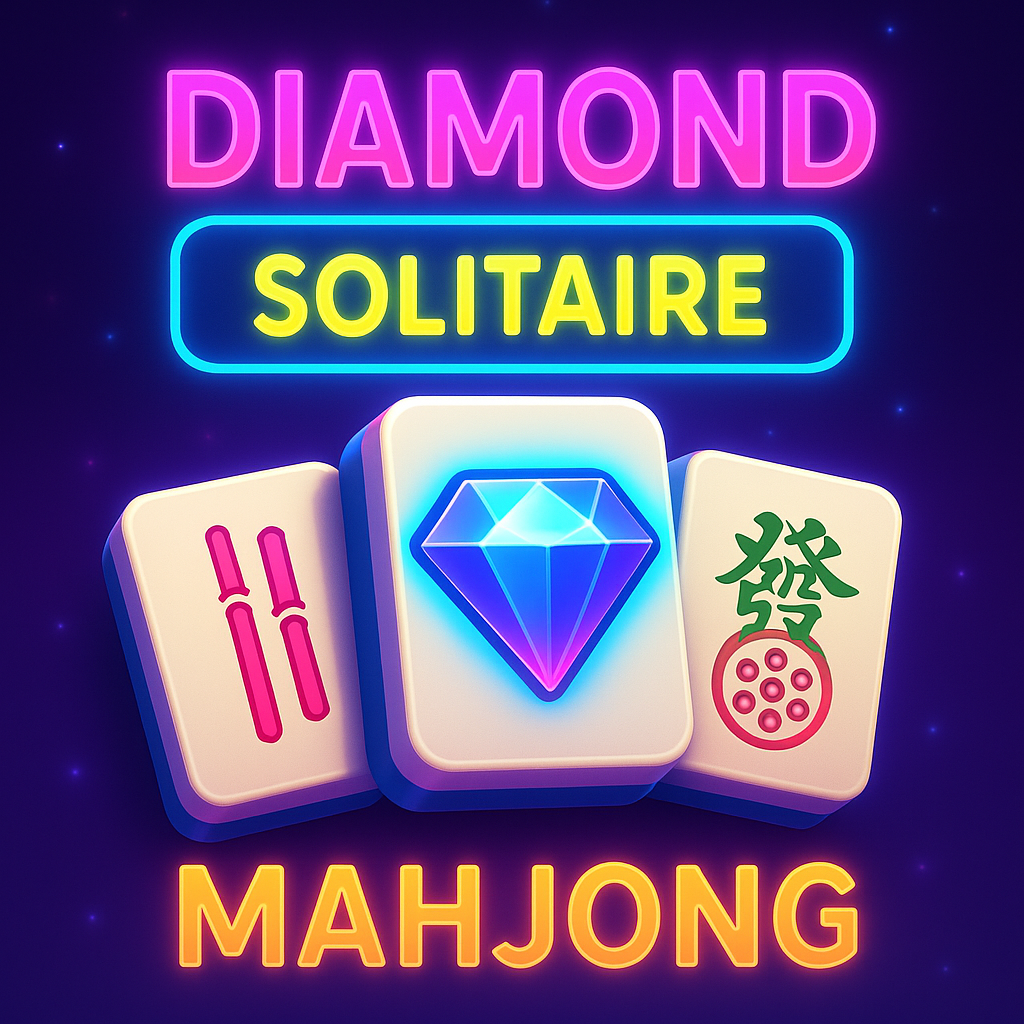
What is Diamond Solitaire Mahjong?
The History and Evolution of Diamond Solitaire Mahjong
The roots of Diamond Solitaire Mahjong trace back to the fusion of two beloved game genres: solitaire card games and traditional Mahjong tile-matching. Solitaire, with its origins in 18th-century Europe, emphasizes logical sequencing, while Mahjong, originating in 19th-century China, focuses on tile removal and set collection. Diamond Solitaire Mahjong emerged in the digital age as a hybrid, leveraging computer algorithms to create intricate diamond-shaped layouts that test spatial awareness. This evolution reflects the growing demand for brain games that adapt classic concepts into fresh, engaging formats. Today, Diamond Solitaire Mahjong is celebrated in online gaming communities for its elegant design and mental challenges, often featured alongside other puzzles on platforms dedicated to cognitive fitness. Understanding this history enriches the appreciation for how Diamond Solitaire Mahjong bridges cultural and gaming traditions, offering a modern twist that resonates with global audiences.
How to Play Diamond Solitaire Mahjong: A Step-by-Step Guide
Playing Diamond Solitaire Mahjong requires a grasp of its basic mechanics, which are simple to learn but difficult to master. The game typically presents a layout of tiles arranged in a diamond shape, each adorned with symbols or characters similar to traditional Mahjong sets. The objective is to clear all tiles by matching pairs that are free, meaning they have at least one side (left or right) not blocked by adjacent tiles. In Diamond Solitaire Mahjong, tiles must be identical to be matched, and they can only be removed if they are accessible from the top or bottom layers in the 3D-like structure. Start by scanning the diamond formation for free tiles—those with no tiles overlapping them on either side. Click or tap on matching pairs to eliminate them, gradually reducing the pile. As you progress, the diamond shape unravels, revealing deeper layers that require careful forethought. Unlike classic solitaire, Diamond Solitaire Mahjong often includes power-ups or shuffle options in digital versions to aid when stuck. Practice is key; begin with easier levels to familiarize yourself with the diamond layout, then advance to complex boards that demand precise memory and strategy. This process makes Diamond Solitaire Mahjong an addictive brain game that hones your attention to detail.
Key Strategies for Excelling at Diamond Solitaire Mahjong
To dominate Diamond Solitaire Mahjong, adopting effective strategies is crucial. This isn't just about random matching; it involves calculated moves that consider the entire diamond structure. One core tactic is to prioritize removing tiles from the edges and top layers first, as this opens up more possibilities below. In Diamond Solitaire Mahjong, always look for multiple matches before committing—sometimes, holding off on an obvious pair can prevent dead ends later. Another advanced technique is to memorize tile positions, especially in larger diamonds, to anticipate future moves. Below is a table summarizing common strategies and their impact on gameplay, specifically tailored for Diamond Solitaire Mahjong enthusiasts.
| Strategy | Description | Best Use in Diamond Solitaire Mahjong |
|---|---|---|
| Edge-First Removal | Focus on matching tiles at the diamond's periphery to unlock inner layers. | Early game to establish control and visibility. |
| Layer-by-Layer Approach | Systematically clear one horizontal or vertical layer before moving deeper. | Medium difficulty boards to maintain order. |
| Memory Mapping | Mentally note tile symbols and positions for quick recall. | Complex diamonds with many identical tiles. |
| Shuffle Conservation | Use shuffle power-ups sparingly, only when truly stuck. | Digital versions to avoid wasting resources. |
| Pair Planning | Plan several moves ahead, considering how each match affects accessibility. | Advanced levels to prevent irreversible blocks. |
Implementing these strategies in Diamond Solitaire Mahjong can significantly boost your win rate and enhance enjoyment. Remember, patience is a virtue; rushing through matches often leads to mistakes. As you practice, you'll develop an intuition for the diamond layout, making Diamond Solitaire Mahjong a more fluid and satisfying experience. Additionally, many online platforms, like the one hosting Diamond Solitaire Mahjong, offer tutorials that reinforce these tactics, so leverage those resources to refine your skills.
Cognitive Benefits of Playing Diamond Solitaire Mahjong
As a brain game, Diamond Solitaire Mahjong delivers substantial cognitive benefits that extend beyond mere entertainment. Engaging with this puzzle regularly can enhance memory, as players must recall tile locations and symbols across the diamond grid. The spatial reasoning required to navigate the 3D-like structure sharpens visual processing skills, which are vital for tasks like reading maps or solving geometry problems. Diamond Solitaire Mahjong also promotes critical thinking and problem-solving; each move demands analysis of potential outcomes, fostering a mindset akin to chess players. Moreover, the game's calm, methodical pace can reduce stress, providing a meditative escape that improves focus and concentration. Studies suggest that puzzle games like Diamond Solitaire Mahjong may even delay cognitive decline in older adults by keeping neural pathways active. By integrating Diamond Solitaire Mahjong into your daily routine, you're not just passing time—you're investing in brain health, making it a standout in the category of brain games that combine fun with mental fitness.
Comparing Diamond Solitaire Mahjong to Other Brain Games
Diamond Solitaire Mahjong occupies a unique niche among brain games, blending elements from solitaire, Mahjong, and spatial puzzles. Unlike Sudoku, which emphasizes numerical logic, or word searches that target language skills, Diamond Solitaire Mahjong challenges visual perception and strategic planning in a dynamic diamond format. This sets it apart from traditional Mahjong solitaire, where layouts are often rectangular or pyramidal. The diamond shape adds complexity, requiring players to think in multiple dimensions. In contrast to fast-paced action games, Diamond Solitaire Mahjong encourages deliberate, thoughtful play, making it ideal for those seeking a relaxed yet stimulating mental workout. Its accessibility—available on various devices—means anyone can enjoy a quick session of Diamond Solitaire Mahjong to unwind or boost brainpower. For enthusiasts interested in the broader world of tile-based games, exploring resources like Mahjong sets can provide context on how Diamond Solitaire Mahjong innovates on classic components, enriching the overall gaming experience.
Where to Play Diamond Solitaire Mahjong Online
Finding a reliable platform to enjoy Diamond Solitaire Mahjong is easy, thanks to its popularity in digital gaming spaces. Many websites and apps offer free versions with varying difficulty levels and features. For an optimal experience, consider playing Diamond Solitaire Mahjong on dedicated gaming sites that ensure smooth performance and ad-free environments. One highly recommended option is Simple Game's Diamond Solitaire Mahjong, which provides a user-friendly interface, multiple diamond layouts, and helpful hints. This external link leads directly to a trusted source where you can dive into the game immediately. Additionally, mobile app stores feature Diamond Solitaire Mahjong downloads for on-the-go play, often with offline modes. When selecting a platform, look for those with positive reviews and regular updates to keep the Diamond Solitaire Mahjong experience fresh and engaging. Whether you're a casual player or a dedicated puzzler, these online avenues make Diamond Solitaire Mahjong accessible anytime, reinforcing its role as a staple in brain game collections.
Advanced Techniques for Mastering Diamond Solitaire Mahjong
Once you've mastered the basics of Diamond Solitaire Mahjong, elevating your gameplay involves advanced techniques that exploit the diamond's geometry. One pro tip is to identify "key tiles"—those that, when removed, unlock multiple pairs simultaneously. In Diamond Solitaire Mahjong, these are often centrally located tiles that hold layers together. Another technique is to use the undo feature strategically in digital versions to test different sequences without penalty, allowing you to learn from mistakes. For harder diamonds, try the "divide and conquer" method: mentally split the diamond into quadrants and solve each section independently before integrating them. This approach reduces overwhelm in Diamond Solitaire Mahjong and improves accuracy. Additionally, pay attention to tile frequencies; if a symbol appears only a few times, prioritize matching it early to avoid isolation. Practicing these advanced methods transforms Diamond Solitaire Mahjong from a casual pastime into a rigorous mental exercise, pushing your cognitive limits and increasing replay value. As you implement these, you'll find that Diamond Solitaire Mahjong becomes more intuitive, with faster completion times and higher scores.
The Role of Diamond Solitaire Mahjong in Mental Wellness
Beyond its puzzle appeal, Diamond Solitaire Mahjong contributes positively to mental wellness, a key reason it's categorized as a brain game. The repetitive yet engaging nature of tile matching can induce a state of flow, where players lose track of time and experience reduced anxiety. This makes Diamond Solitaire Mahjong an effective tool for mindfulness, similar to meditation apps. The sense of accomplishment from clearing a difficult diamond boosts self-esteem and motivation, which can spill over into daily tasks. For individuals dealing with stress or mild cognitive impairments, Diamond Solitaire Mahjong offers a low-pressure way to stay mentally active without frustration. Healthcare professionals sometimes recommend such games as part of cognitive therapy, citing improvements in attention span and executive function. By incorporating Diamond Solitaire Mahjong into wellness routines, players can enjoy a dual benefit: entertainment and emotional balance. This holistic impact underscores why Diamond Solitaire Mahjong is more than just a game—it's a wellness aid disguised as a fun challenge.
Customizing Your Diamond Solitaire Mahjong Experience
Modern digital versions of Diamond Solitaire Mahjong often include customization options that enhance personalization and longevity. Players can adjust settings like tile designs, background themes, and sound effects to create a tailored environment. Some platforms allow you to modify the diamond size or difficulty, catering to skill levels from beginner to expert. In Diamond Solitaire Mahjong, these features keep the game fresh and engaging over multiple sessions. For instance, choosing a minimalist tile set can reduce visual clutter, aiding concentration, while vibrant themes add an artistic flair. Time challenges or score-based modes introduce competitive elements, motivating players to improve their Diamond Solitaire Mahjong prowess. Additionally, community features like leaderboards or social sharing foster connection among fans of Diamond Solitaire Mahjong, turning solitary play into a shared experience. Exploring these customizations not only enriches gameplay but also deepens your investment in Diamond Solitaire Mahjong as a versatile brain game that adapts to individual preferences.
The Future of Diamond Solitaire Mahjong and Brain Games
As technology evolves, so does the potential for Diamond Solitaire Mahjong and similar brain games. Trends like virtual reality (VR) and artificial intelligence (AI) could revolutionize how we interact with Diamond Solitaire Mahjong, offering immersive 3D environments or adaptive difficulty that responds to player skill. Imagine donning a VR headset to physically manipulate tiles in a giant diamond space—this could make Diamond Solitaire Mahjong an even more potent tool for spatial training. AI integration might provide real-time hints or generate infinite unique diamond layouts, ensuring Diamond Solitaire Mahjong remains endlessly challenging. Furthermore, as research on cognitive health advances, games like Diamond Solitaire Mahjong may be prescribed more formally in educational or therapeutic settings. The growing awareness of brain fitness suggests that Diamond Solitaire Mahjong will continue to gain popularity, inspiring new variants and community events. Staying updated on these developments ensures that enthusiasts can fully leverage Diamond Solitaire Mahjong for both enjoyment and mental enhancement, solidifying its place in the future of interactive brain games.
Conclusion: Embracing Diamond Solitaire Mahjong for Brain Health
In summary, Diamond Solitaire Mahjong is a standout brain game that combines elegant design with profound cognitive benefits. From its hybrid origins to its strategic depth, every aspect of Diamond Solitaire Mahjong invites players to engage their minds in meaningful ways. By following the strategies outlined, leveraging online resources like Simple Game's version, and exploring related topics such as traditional Mahjong sets, you can deepen your appreciation and skill. Whether you play to unwind, boost memory, or simply enjoy a clever puzzle, Diamond Solitaire Mahjong offers a versatile and rewarding experience. As part of the broader brain games category, it exemplifies how digital entertainment can support mental wellness, making it a worthy addition to anyone's daily routine. So, dive into the diamond grid, challenge yourself, and discover why Diamond Solitaire Mahjong continues to captivate and educate players around the globe.
FAQ
- Question: What specific cognitive skills does playing Diamond Solitaire Mahjong help to train?
Answer: Diamond Solitaire Mahjong primarily trains visual perception, pattern recognition, and strategic planning. The game requires you to quickly scan the complex, multi-layered diamond-shaped layout to identify matching tile pairs that are free, meaning they are not blocked on the left or right side. This constant visual search and matching process sharpens your attention to detail and enhances your ability to discern patterns within a cluttered field. Furthermore, because removing certain tiles can unlock others, you must plan several moves ahead, which exercises your executive functions related to foresight and decision-making. - Question: How does the unique 'diamond' layout in Diamond Solitaire Mahjong challenge the brain differently than other solitaire games?
Answer: The symmetrical yet dense diamond layout presents a distinct spatial challenge that differs from linear or rectangular tile arrangements. Your brain must process spatial relationships in multiple directions simultaneously, as tiles are oriented on diagonals and layers can overlap. This configuration demands enhanced mental rotation and spatial reasoning skills to accurately determine which tiles are free for selection. The three-dimensional illusion of the layout forces you to maintain a mental map of the tile positions, providing a rigorous workout for your visuospatial working memory that is more complex than many traditional solitaire formats. - Question: Can regularly playing Diamond Solitaire Mahjong improve memory, and if so, how?
Answer: Yes, regular play can contribute to improvements in working memory and prospective memory. As you play, you must hold the positions, symbols, and potential matches of multiple tiles in your mind while you strategize your sequence of moves. This is a direct exercise for your working memory's capacity. Additionally, the game trains prospective memory—the memory for future intentions—as you formulate a plan like 'I need to clear this corner first to access the tile beneath it later.' Remembering and executing these multi-step plans over the course of a game strengthens cognitive pathways associated with memory for actions. - Question: What makes Diamond Solitaire Mahjong an effective tool for stress reduction and mental focus?
Answer: Diamond Solitaire Mahjong induces a state of focused engagement that can crowd out anxious or distracting thoughts, a process sometimes called 'flow.' The game requires a quiet, concentrated focus on a single, achievable goal (clearing the board), which provides a mental break from multitasking and daily stressors. The structured problem-solving within a bounded space offers a sense of control and predictable progression. Successfully matching tiles and unlocking new layers delivers small, consistent rewards that can boost mood and provide a calming, meditative rhythm, thereby reducing cognitive load and promoting mental clarity. - Question: How does the strategic element of Diamond Solitaire Mahjong train problem-solving and flexible thinking?
Answer: Every game of Diamond Solitaire Mahjong is a dynamic puzzle that requires adaptive problem-solving. You must constantly evaluate and re-evaluate your strategy based on the tiles that become available after each move. This teaches flexible thinking, as a predetermined plan often must be abandoned when you encounter a dead end or a new, more optimal path opens up. The game forces you to weigh short-term gains against long-term board accessibility, practicing critical decision-making under constraints. This iterative process of hypothesis, action, and revision is a core exercise in cognitive flexibility and strategic reasoning. - Question: Is there a benefit to playing Diamond Solitaire Mahjong for older adults concerned about cognitive maintenance?
Answer: Absolutely. Diamond Solitaire Mahjong offers a low-pressure, enjoyable form of cognitive engagement that is highly relevant for cognitive maintenance in older adults. The game exercises multiple brain domains simultaneously—including visual processing, attention, and planning—which are important for sustaining overall cognitive health. Its turn-based, self-paced nature makes it accessible, reducing frustration while still providing a mental challenge. Regularly engaging with such visuospatial and strategic puzzles can help maintain neural connections and processing speed, potentially contributing to slower cognitive decline as part of a broader brain-healthy lifestyle.