
 Loading...
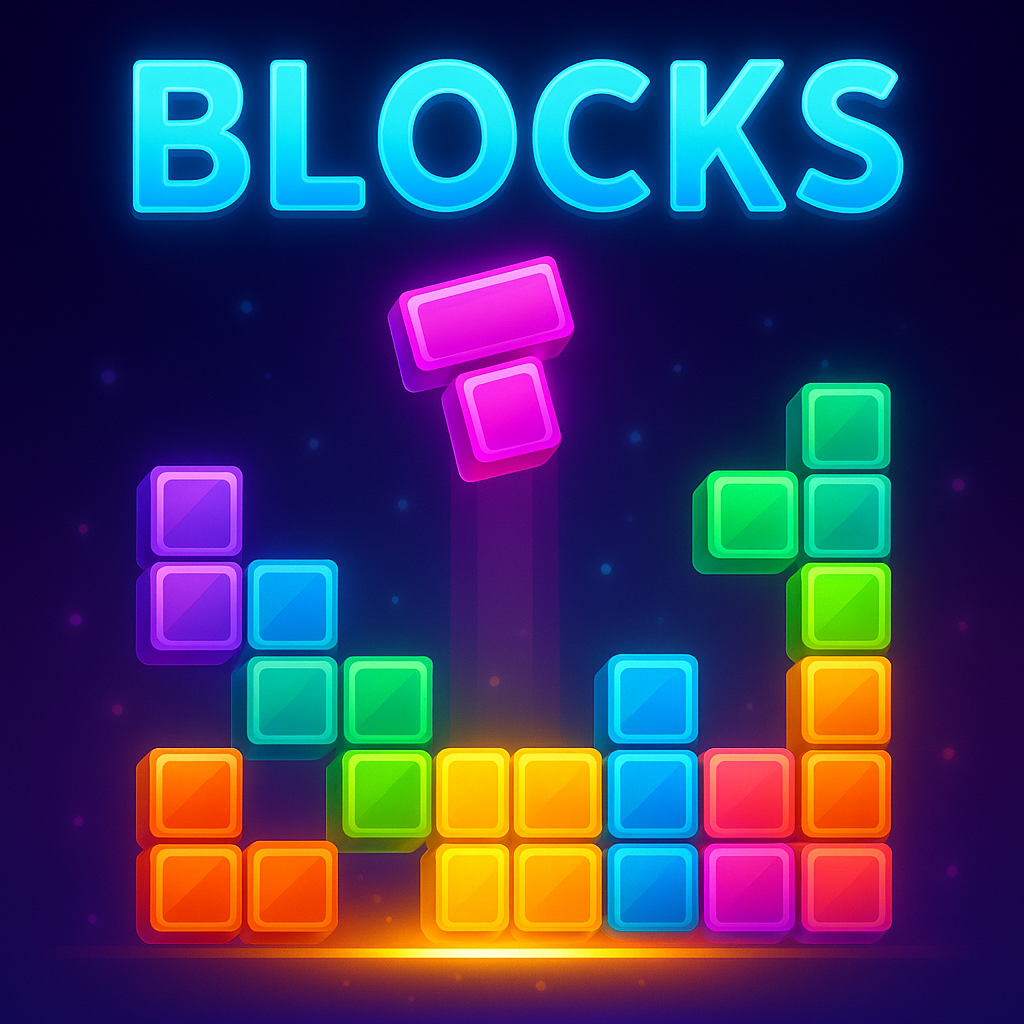
Blocks
In the realm of brain games, few titles captivate and challenge the mind quite like Blocks. This engaging puzzle game has soared in popularity, offering a perfect blend of simplicity and depth that appeals to players of all ages. Whether you're a casual gamer looking to pass the time or a serious enthusiast aiming to sharpen cognitive skills, Blocks provides an immersive experience that tests spatial reasoning, problem-solving abilities, and strategic thinking. As a cornerstone of the brain games category, it not only entertains but also contributes to mental fitness, making it a valuable tool for cognitive development. In this comprehensive guide, we'll delve into every aspect of Blocks, from its basic mechanics to advanced strategies, ensuring you have all the knowledge needed to master this captivating game. By exploring its origins, benefits, and gameplay, you'll discover why Blocks has become a staple in the world of mental exercises and why it's worth incorporating into your daily routine for a healthier mind.
What Is the Blocks Game?
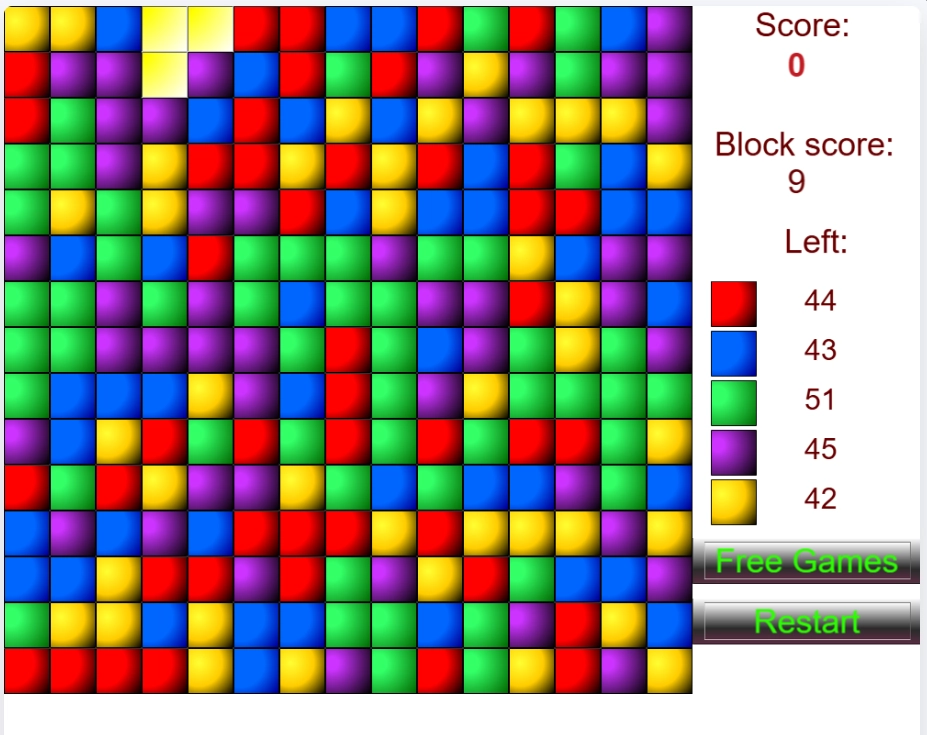
Blocks is a dynamic puzzle game that revolves around manipulating geometric shapes to achieve specific objectives, such as clearing lines, matching colors, or fitting pieces into a confined space. Often compared to classics like Tetris, it introduces unique twists that set it apart, including varied block types, power-ups, and progressive difficulty levels. The core gameplay involves rotating, moving, and placing blocks on a grid, requiring quick decision-making and foresight to avoid bottlenecks. As you advance, the pace quickens, demanding sharper reflexes and deeper planning. This game is designed to be accessible yet challenging, making it ideal for brain training. Its intuitive controls and visually appealing interface ensure that players can jump in without a steep learning curve, while the escalating complexity keeps them engaged for hours. By focusing on pattern recognition and logical sequencing, Blocks taps into key cognitive functions, helping to enhance mental agility over time. For those eager to dive in, you can start playing Blocks today by visiting MindPlayHub's Blocks game page, where you'll find a user-friendly platform to test your skills.
The Cognitive Benefits of Playing Blocks
Engaging with Blocks isn't just about fun; it's a powerful way to boost brain health. Research in cognitive science highlights how puzzle games like Blocks can improve memory, attention span, and executive functions. When you play Blocks, you're constantly evaluating spatial relationships, which strengthens neural pathways associated with visual-spatial processing. This is crucial for tasks like navigation, reading maps, or even organizing your workspace. Moreover, the game's demand for rapid problem-solving enhances working memory—the ability to hold and manipulate information in your mind. Over time, regular players may notice better performance in real-life scenarios, such as multitasking or making quick decisions under pressure. Blocks also promotes neuroplasticity, the brain's ability to adapt and rewire itself, which is vital for lifelong learning and resilience against cognitive decline. For older adults, it can serve as a preventive measure against age-related issues like dementia, while for children, it fosters developmental skills in a playful environment. By integrating Blocks into your routine, you're not just passing time; you're investing in a sharper, more agile mind that can tackle daily challenges with ease.
How to Play Blocks: A Step-by-Step Guide
Getting started with Blocks is straightforward, but mastering it requires practice and strategy. The game typically begins with a blank grid or a pre-set arrangement of blocks. Your goal is to manipulate incoming blocks—often falling from the top of the screen—to form complete lines or specific patterns. Use arrow keys or touch controls to move blocks left or right, rotate them for better alignment, and drop them quickly to save time. As you progress, you'll encounter different block shapes, such as squares, L-shapes, and T-shapes, each with unique properties. Pay attention to the preview of upcoming blocks; this allows you to plan several moves ahead, reducing the risk of clutter. Timing is critical—waiting too long can lead to a pile-up, while hasty placements might create gaps that are hard to fill. Many versions of Blocks include scoring systems based on speed, combos, or efficiency, so aim for high scores to track your improvement. Beginners should focus on clearing one line at a time, while advanced players can experiment with techniques like "stacking" or "t-spins" to maximize points. Remember, the key to success in Blocks is patience and persistence; don't get discouraged by early mistakes, as each game is a learning opportunity.
The History and Evolution of Blocks in Gaming and Beyond
Blocks have a rich history that extends beyond gaming into fields like computer science and data management. The concept of blocks as fundamental units dates back to early computing, where they were used in data storage systems to organize information efficiently. In this context, a block refers to a chunk of data that can be read or written as a single unit, optimizing performance in storage devices. If you're curious about this technical aspect, you can explore more on Wikipedia's page about blocks in data storage. In gaming, Blocks emerged from the arcade era of the 1980s, inspired by titles like Tetris, which popularized block-based puzzles. Over the decades, it evolved with advancements in graphics and gameplay mechanics, incorporating elements from other brain games to enhance replay value. Today, Blocks is available on multiple platforms, from mobile apps to online browsers, reflecting its enduring appeal. This evolution underscores how simple concepts can transform into complex systems, much like how blocks in data storage underpin modern computing. By understanding this background, players can appreciate Blocks not just as a game, but as part of a broader cultural and technological narrative that emphasizes order, efficiency, and creativity.
Advanced Strategies for Mastering Blocks
To excel in Blocks, move beyond basics and adopt advanced strategies that leverage pattern recognition and predictive thinking. One effective approach is the "well method," where you leave a vertical gap on one side of the grid to accommodate taller blocks, making it easier to clear multiple lines at once. Another tactic is "pre-rotation," where you mentally rotate blocks before they appear, saving precious seconds during gameplay. Combos are key for high scores; try to set up situations where clearing one line triggers a chain reaction, earning bonus points. Additionally, familiarize yourself with common block sequences—many games use algorithms that generate blocks in predictable patterns, allowing you to anticipate moves. For competitive play, practice under time pressure to build speed without sacrificing accuracy. It's also helpful to analyze your past games; identify recurring mistakes, such as misplacing blocks in corners, and adjust your strategy accordingly. Blocks rewards those who think several steps ahead, so cultivate a habit of scanning the entire grid and considering long-term placements. By integrating these strategies, you'll not only improve your Blocks performance but also transfer these skills to real-world problem-solving, making you more adept at handling complex tasks.
Comparing Blocks Difficulty Levels
Blocks games often feature multiple difficulty levels to cater to different skill sets, from novices to experts. Understanding these levels can help you choose the right challenge and track your progress effectively. Below is a table that outlines common difficulty settings in Blocks, including their characteristics and recommended player types. This comparison highlights how the game adapts to various cognitive demands, ensuring that everyone from beginners to seasoned players finds an engaging experience.
| Difficulty Level | Description | Block Speed | Recommended For |
|---|---|---|---|
| Beginner | Slow block descent, simple shapes, and ample time for decisions. | Low | New players or those focusing on learning basics. |
| Intermediate | Faster pace, varied block types, and introduction of obstacles. | Medium | Players with some experience looking to build skills. |
| Expert | Rapid block drops, complex patterns, and limited previews. | High | Advanced users seeking a intense mental workout. |
| Custom | Adjustable settings for speed, grid size, and block variety. | Variable | Those who want tailored challenges for specific training. |
This table illustrates how Blocks can be customized to match your cognitive load, making it an excellent tool for gradual brain training. As you move up in difficulty, you'll notice improvements in your reaction times and strategic planning, which are essential for mastering the game and enhancing overall mental fitness.
The Role of Blocks in Cognitive Development
Blocks play a significant role in cognitive development by engaging multiple brain regions simultaneously. When you interact with Blocks, your prefrontal cortex—responsible for decision-making and planning—is actively involved in assessing block placements. Meanwhile, the parietal lobe handles spatial awareness, helping you visualize how pieces fit together. This dual engagement strengthens connectivity between brain areas, leading to better integrated thinking. For children, playing Blocks can accelerate learning in STEM subjects by fostering an intuitive understanding of geometry and logic. In adults, it serves as a mental exercise that counters the effects of sedentary lifestyles, which often lead to cognitive stagnation. Studies have shown that regular engagement with puzzle games like Blocks can increase gray matter density in the brain, correlating with improved memory and problem-solving skills. Moreover, the game's repetitive yet varied nature encourages habit formation, making it easier to adopt other healthy mental practices. By incorporating Blocks into educational or therapeutic settings, educators and clinicians can leverage its benefits to support growth and recovery. Ultimately, Blocks isn't just a pastime; it's a catalyst for lifelong cognitive health, empowering individuals to reach their mental potential.
Common Mistakes to Avoid in Blocks
Even experienced players can fall into traps that hinder their Blocks performance. One common mistake is overcrowding the grid by placing blocks haphazardly, which leads to unavoidable gaps and early game overs. To avoid this, always aim for a balanced layout, leaving space for future blocks. Another error is ignoring the preview of upcoming pieces; this oversight reduces your ability to plan ahead, causing rushed decisions. Additionally, many players focus solely on clearing lines quickly, neglecting the long-term strategy of building combos. This can result in lower scores and missed opportunities for bonuses. It's also easy to underestimate the importance of rotation—failing to rotate blocks to fit optimally can waste valuable grid real estate. Beginners often struggle with panic when the pace increases, leading to mistakes like dropping blocks in the wrong spot. To combat this, practice deep breathing and maintain a calm mindset during gameplay. Lastly, avoid playing for extended periods without breaks; mental fatigue can impair judgment, so take short rests to stay sharp. By recognizing and addressing these pitfalls, you'll enhance your Blocks skills and enjoy a more rewarding experience.
Blocks and Its Impact on Daily Life
The skills honed in Blocks extend far beyond the game screen, influencing daily life in meaningful ways. For instance, the spatial reasoning developed through block manipulation can improve your ability to organize physical spaces, like packing a suitcase or arranging furniture. The problem-solving agility gained from navigating complex block patterns translates to better decision-making in work or school projects, where you must assess multiple variables quickly. Blocks also teaches patience and persistence; facing challenging levels encourages a growth mindset, helping you tackle real-world obstacles with resilience. In social contexts, the game can be a bonding activity, fostering teamwork and communication if played in multiplayer modes. Furthermore, the focus required for Blocks can enhance concentration, reducing distractions in tasks like studying or driving. Many players report that regular sessions with Blocks help them manage stress by providing a meditative escape, similar to mindfulness practices. By integrating Blocks into your routine, you're not just playing a game—you're cultivating a toolkit of cognitive abilities that enrich every aspect of your life, from personal relationships to professional achievements.
Future Trends in Blocks and Brain Games
As technology advances, Blocks and similar brain games are poised for exciting innovations. Virtual reality (VR) and augmented reality (AR) are already being integrated into block-based puzzles, offering immersive experiences that deepen cognitive engagement. Imagine manipulating 3D blocks in a virtual space, which could enhance spatial skills even further. Artificial intelligence (AI) is another frontier, with adaptive algorithms that personalize difficulty based on your performance, ensuring optimal brain training. In the future, we might see Blocks incorporated into educational curricula as a standard tool for teaching logic and mathematics, backed by research on its efficacy. Additionally, the rise of mobile gaming means Blocks will become more accessible, with cloud-based versions allowing seamless play across devices. These trends highlight how Blocks is evolving from a simple puzzle into a sophisticated cognitive aid, aligning with broader movements in digital health and wellness. By staying informed about these developments, you can continue to leverage Blocks for mental fitness in an ever-changing landscape. The enduring appeal of Blocks ensures it will remain a staple in brain games, adapting to new technologies while preserving its core benefits.
Conclusion: Embracing Blocks for a Sharper Mind
In summary, Blocks stands out as a premier brain game that combines entertainment with substantial cognitive benefits. From its intuitive gameplay to its deep strategic layers, it offers something for everyone, whether you're seeking fun or mental enhancement. By understanding its history, mastering its mechanics, and applying advanced strategies, you can unlock your full potential in Blocks and beyond. The internal link to MindPlayHub's Blocks game provides a convenient starting point for your journey, while the external reference to data storage blocks enriches your perspective on this versatile concept. As you incorporate Blocks into your life, remember that consistency is key—regular play can lead to lasting improvements in memory, attention, and problem-solving. So, dive into the world of Blocks today, and experience the joy of challenging your mind while building a healthier, more agile brain. With its proven impact and evolving future, Blocks is more than a game; it's a lifelong companion for cognitive well-being.
FAQ
- Question: What cognitive skills does 'Blocks' specifically target and improve?
Answer: 'Blocks' is designed to enhance multiple cognitive domains through its engaging puzzle mechanics. The game primarily targets spatial reasoning by requiring players to mentally rotate and fit geometric shapes into designated spaces, while also strengthening working memory as players must track multiple block positions and potential moves. These skills are fundamental for real-world tasks like navigation, architectural planning, and organizing physical spaces efficiently. Regular play can lead to measurable improvements in mental manipulation abilities and pattern recognition, making complex visual problems easier to solve in daily life. - Question: How does 'Blocks' differ from other brain-training games in improving problem-solving abilities?
Answer: 'Blocks' stands out by focusing on dynamic spatial problem-solving under time constraints, which mirrors real-world decision-making scenarios more closely than static puzzles. Unlike memory-focused games that emphasize recall, 'Blocks' challenges players to anticipate consequences of moves several steps ahead while managing limited visual information. This develops strategic foresight and adaptive thinking skills that transfer directly to professional and personal problem-solving situations. The progressive difficulty system ensures continuous cognitive engagement, preventing plateaus in skill development that occur with simpler repetitive games. - Question: Can playing 'Blocks' actually enhance memory function, and if so, how?
Answer: Yes, 'Blocks' significantly enhances both working and visual memory through its core gameplay mechanics. Players must retain mental images of block shapes and positions while manipulating them spatially, which strengthens the brain's visuospatial sketchpad - a critical component of working memory. The game's increasing complexity forces players to maintain multiple potential solutions simultaneously, training the brain to handle greater cognitive loads. This memory enhancement translates to improved performance in tasks requiring mental organization, such as remembering complex instructions or visualizing outcomes before taking action. - Question: What makes 'Blocks' particularly effective for developing spatial intelligence?
Answer: 'Blocks' excels at developing spatial intelligence through its three-dimensional manipulation requirements that closely mimic real-world spatial challenges. The game forces players to mentally rotate objects in multiple axes while considering fit and orientation - skills directly applicable to fields like engineering, design, and surgery. Unlike 2D spatial puzzles, 'Blocks' incorporates depth perception and volumetric reasoning, providing comprehensive spatial training. This holistic approach helps build the neural pathways necessary for understanding complex spatial relationships in both virtual and physical environments. - Question: How does the difficulty progression in 'Blocks' optimize cognitive benefits?
Answer: The carefully calibrated difficulty progression in 'Blocks' follows principles of neuroplasticity by consistently challenging players at their cognitive threshold. Each level introduces new spatial complexities and time constraints that force the brain to adapt and form new neural connections. This systematic escalation prevents automaticity - where tasks become too easy - ensuring continuous cognitive engagement and growth. The adaptive algorithm matches challenges to individual skill levels, providing optimal conditions for strengthening executive functions like planning, inhibition, and cognitive flexibility without causing frustration or boredom. - Question: What practical daily life benefits can players expect from regular 'Blocks' gameplay?
Answer: Regular 'Blocks' players typically experience improved performance in daily tasks requiring spatial organization and quick decision-making. The enhanced mental rotation skills make activities like packing luggage efficiently, parallel parking, or assembling furniture noticeably easier. The game's problem-solving training translates to better strategic planning in work projects and personal goals, while the working memory improvements help with multitasking and following complex instructions. Many users report increased mental clarity and faster processing speed when navigating unfamiliar environments or solving unexpected problems in their daily routines.