
 Loading...
Nine Cards Of Winter
As the frost settles and the world outside turns into a serene landscape of white, our minds often seek warmth and stimulation indoors. Enter Nine Cards Of Winter, a captivating brain game that combines the charm of the winter season with the rigorous challenge of logical puzzle-solving. This game is not just a pastime; it's a workout for your cognitive faculties, designed to enhance memory, focus, and strategic thinking. In the realm of brain games, Nine Cards Of Winter stands out as a unique offering that blends seasonal aesthetics with mental agility. Whether you're a puzzle enthusiast or someone looking to sharpen your mind during the cozy winter months, this game promises hours of engaging entertainment. This article delves deep into every aspect of Nine Cards Of Winter, from its gameplay mechanics to its cognitive benefits, and provides insights on how to master it. By the end, you'll understand why Nine Cards Of Winter is a must-try in the category of brain games.
What Is Nine Cards Of Winter?
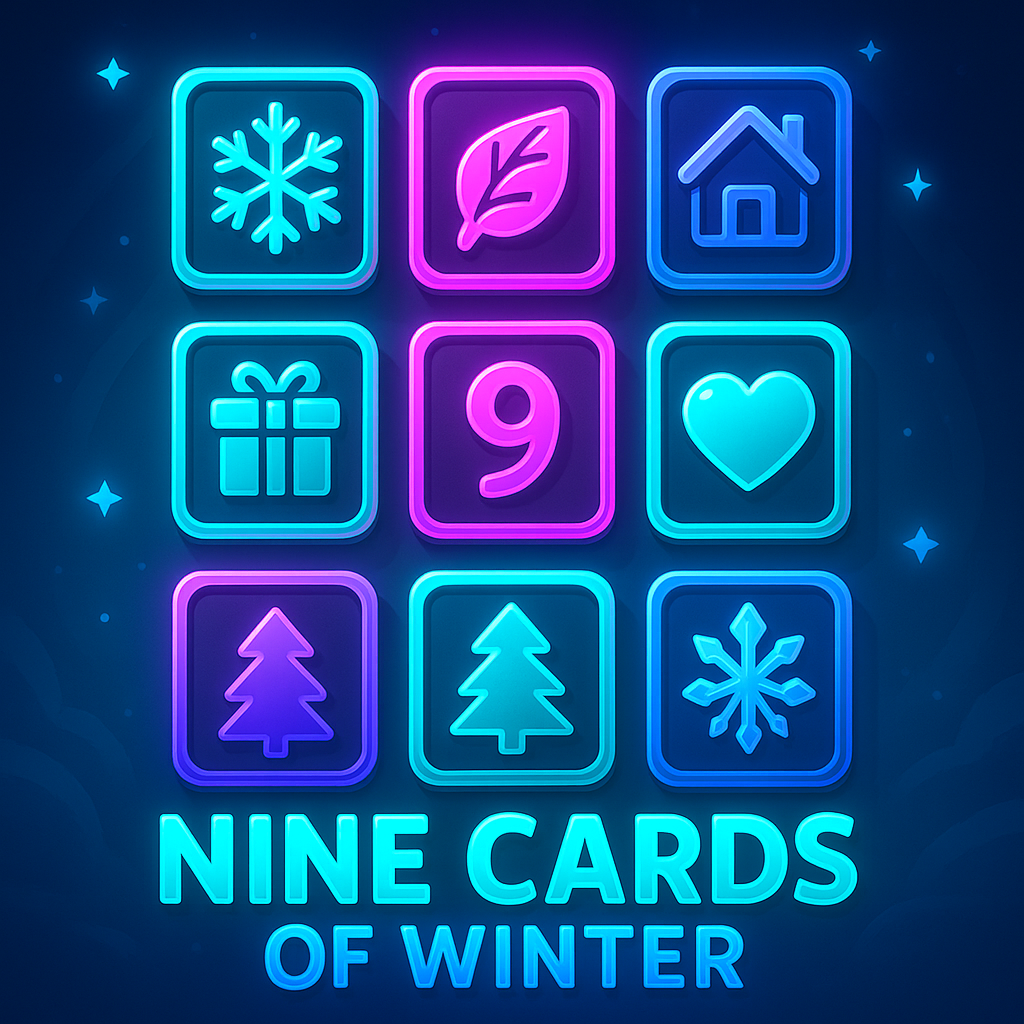
Nine Cards Of Winter is a digital puzzle game that revolves around arranging nine cards in a specific order based on a set of rules and clues. Each card features winter-themed imagery, such as snowflakes, icicles, mittens, or festive ornaments, adding a visual appeal that complements the mental challenge. The core objective is to deduce the correct sequence of cards through logic and elimination, much like traditional solitaire or Sudoku but with a seasonal twist. The game is designed to be accessible yet progressively difficult, making it suitable for players of all ages and skill levels. As a brain game, Nine Cards Of Winter targets key cognitive skills, including pattern recognition, deductive reasoning, and spatial awareness. It's a perfect example of how gamification can make mental exercises enjoyable and effective. The developers behind Nine Cards Of Winter have crafted an experience that is both immersive and intellectually rewarding, ensuring that players return for more challenges.
The Origins and Evolution of Nine Cards Of Winter
The concept of card-based puzzle games has a rich history, dating back to centuries-old logic games. Nine Cards Of Winter modernizes this tradition by incorporating digital elements and a thematic winter setting. Initially released as a niche online game, it quickly gained popularity due to its elegant design and challenging gameplay. Over time, updates have introduced new levels, card designs, and difficulty settings, expanding the appeal of Nine Cards Of Winter. The game's evolution reflects a broader trend in the brain games category, where developers focus on creating experiences that are both visually pleasing and mentally stimulating. Unlike many flashy video games, Nine Cards Of Winter prioritizes substance over style, though it doesn't compromise on aesthetics. The winter theme is not merely decorative; it enhances the calming yet focused atmosphere that is conducive to puzzle-solving. As you play Nine Cards Of Winter, you'll notice how the seasonal elements are intricately woven into the gameplay, making each session feel like a cozy mental retreat.
How to Play Nine Cards Of Winter: A Step-by-Step Guide
Mastering Nine Cards Of Winter requires understanding its basic rules and mechanics. Here's a comprehensive guide to get you started. First, the game presents you with a grid of nine cards, all face-down or partially revealed. Your task is to arrange them in a 3x3 grid or a linear sequence based on clues provided. These clues might relate to the positions of specific winter symbols, such as "the snowflake card is to the left of the mitten card" or "the icicle card is not in the center." You must use logical deduction to determine the correct order. Start by scanning all clues and identifying any fixed positions. For instance, if a clue states that a card is in the top-right corner, you can place it immediately. From there, use process of elimination to fill in the remaining slots. Nine Cards Of Winter often includes multiple layers of clues, so patience and attention to detail are key. As you progress, the puzzles become more complex, involving conditional statements and relational logic. Practice is essential; the more you play Nine Cards Of Winter, the better you'll become at spotting patterns and making quick deductions.
Basic Rules and Clue Types
In Nine Cards Of Winter, clues are typically presented as text statements or visual hints. Common clue types include positional clues (e.g., "Card A is in the first row"), relational clues (e.g., "Card B is adjacent to Card C"), and attribute-based clues (e.g., "The card with the most snowflakes is not on the edges"). Understanding these clue types is crucial for solving the puzzles efficiently. For example, if you encounter a relational clue, you might need to consider all possible pairings and eliminate contradictions. Nine Cards Of Winter also sometimes uses negative clues, such as "Card D is not blue," which can be just as informative as positive ones. The game encourages players to think critically and laterally, often requiring them to combine multiple clues to reach a solution. This multi-faceted approach is what makes Nine Cards Of Winter a standout brain game. As you engage with these clues, you'll find your logical reasoning skills improving, which is one of the core benefits of playing Nine Cards Of Winter.
Cognitive Benefits of Playing Nine Cards Of Winter
Brain games like Nine Cards Of Winter are more than just entertainment; they offer significant cognitive advantages. Regular play can enhance various mental faculties, making it a valuable tool for brain health. First, Nine Cards Of Winter boosts logical thinking and problem-solving skills. Each puzzle is a mini-logic problem that requires structured reasoning, similar to solving mathematical equations or programming tasks. This practice can translate to improved decision-making in daily life. Second, the game improves memory and concentration. Remembering clues and card positions exercises your working memory, while the focused attention needed to solve puzzles strengthens your ability to concentrate for extended periods. Third, Nine Cards Of Winter promotes spatial reasoning, as you must visualize card arrangements and relationships. This skill is useful in fields like architecture, engineering, and even driving. Additionally, the game can reduce stress by providing a mindful escape; the winter theme adds a calming effect, making it a great way to unwind. Overall, Nine Cards Of Winter is a holistic brain trainer that caters to multiple cognitive domains.
| Cognitive Skill | How Nine Cards Of Winter Enhances It | Real-World Application |
|---|---|---|
| Logical Thinking | Solving puzzles via deduction and clue analysis. | Better problem-solving in work and personal tasks. |
| Memory | Recalling clues and card positions across levels. | Improved retention of information and details. |
| Concentration | Focusing on complex puzzles without distraction. | Enhanced productivity and attention span. |
| Spatial Awareness | Visualizing card layouts and sequences in 2D space. | Easier navigation and understanding of maps or designs. |
| Stress Relief | Engaging in a calming, themed puzzle environment. | Reduced anxiety and improved mental well-being. |
As shown in the table above, Nine Cards Of Winter offers a comprehensive cognitive workout. These benefits are backed by research on brain training, which suggests that regular engagement with challenging puzzles can lead to neural plasticity and improved mental acuity. By incorporating Nine Cards Of Winter into your routine, you're not just playing a game; you're investing in your brain's health. This makes Nine Cards Of Winter a valuable addition to the brain games category, appealing to both casual players and those seeking serious mental exercise.
Strategies and Tips for Mastering Nine Cards Of Winter
To excel at Nine Cards Of Winter, it helps to adopt specific strategies. Here are some expert tips to enhance your gameplay. First, always start by reading all clues thoroughly before making any moves. This gives you a holistic view of the puzzle and prevents early mistakes. Second, use a process of elimination: list all possible positions for each card and cross out ones that conflict with clues. This method is especially useful in advanced levels of Nine Cards Of Winter. Third, pay attention to negative clues; they can narrow down options significantly. For example, if a clue says "the card with the wreath is not in the middle row," you can eliminate three positions immediately. Fourth, practice pattern recognition; over time, you'll notice common clue structures in Nine Cards Of Winter, allowing you to solve puzzles faster. Fifth, don't hesitate to take breaks if stuck. Sometimes, stepping away and returning with fresh eyes can reveal solutions you missed. Finally, replay levels to improve your speed and accuracy. Mastery of Nine Cards Of Winter comes with persistence and smart tactics.
Advanced Techniques for Veteran Players
For those who have conquered the basics of Nine Cards Of Winter, advanced techniques can take your skills to the next level. One approach is to use backward chaining: start from the solution and work backwards to understand how clues lead there. This is particularly effective in the hardest puzzles of Nine Cards Of Winter. Another technique is to group cards based on attributes, such as color or symbol type, and treat them as units. This reduces complexity and simplifies deduction. Additionally, consider using external tools like note-taking apps to track possibilities, though the game is designed to be solvable without them. Engaging with online communities dedicated to Nine Cards Of Winter can also provide insights and alternative solving methods. Remember, the goal of Nine Cards Of Winter is not just to win but to enjoy the mental journey. By refining your strategies, you'll find deeper satisfaction in each solved puzzle.
Comparing Nine Cards Of Winter with Other Brain Games
The brain games category is vast, with offerings ranging from memory matches to complex logic puzzles. Nine Cards Of Winter carves its niche by focusing on deductive reasoning within a thematic framework. Compared to fast-paced games like action puzzles, Nine Cards Of Winter emphasizes slow, thoughtful play, making it ideal for relaxation and deep thinking. Another popular brain game is Sorting Xmas Balls, which involves categorizing and arranging festive items based on rules. While both games share a winter theme and logical elements, Nine Cards Of Winter is more card-centric and sequence-based, whereas Sorting Xmas Balls focuses on sorting and organizational skills. This diversity in brain games allows players to target different cognitive areas. Nine Cards Of Winter stands out for its elegance and simplicity, yet it offers profound depth. It's less about speed and more about precision, appealing to those who enjoy methodical challenges. Exploring games like Sorting Xmas Balls can complement your experience with Nine Cards Of Winter, providing variety in your brain training regimen.
The Visual and Audio Design of Nine Cards Of Winter
A key aspect of Nine Cards Of Winter is its aesthetic appeal. The game features beautifully designed cards with winter motifs, from glistening snowscapes to cozy fireplace scenes. Each card is a piece of art, enhancing the immersive experience. The color palette is dominated by cool blues, whites, and silvers, evoking the chill of winter while maintaining visual clarity for gameplay. Animations are subtle but effective, such as cards flipping with a soft swoosh or snow gently falling in the background. The audio design complements this with ambient sounds like crackling fire or distant wind, along with soothing music that doesn't distract from the puzzles. This attention to detail makes Nine Cards Of Winter not just a brain game but a sensory retreat. The design also supports cognitive function; for instance, clear symbols on cards aid in quick recognition, and the calm atmosphere reduces cognitive load, allowing players to focus on logic. In a market crowded with flashy games, Nine Cards Of Winter proves that simplicity and beauty can coexist with intellectual challenge.
Who Should Play Nine Cards Of Winter?
Nine Cards Of Winter is versatile enough to appeal to a wide audience. Firstly, puzzle lovers will find it a refreshing take on classic logic games. Its gradual difficulty curve ensures that beginners aren't overwhelmed, while experts face satisfying challenges. Secondly, students can benefit from playing Nine Cards Of Winter as it enhances academic skills like critical thinking and patience. Teachers might even incorporate it into educational settings to make learning fun. Thirdly, older adults can use Nine Cards Of Winter as a brain exercise to maintain cognitive vitality, potentially delaying age-related decline. Fourthly, busy professionals can play in short bursts to de-stress and sharpen their minds during breaks. The game's portable digital format makes it accessible on various devices, so anyone with a few minutes to spare can enjoy Nine Cards Of Winter. Ultimately, if you're seeking a game that entertains while enriching your mind, Nine Cards Of Winter is an excellent choice. Its blend of seasonality and logic creates a timeless appeal.
Where to Play Nine Cards Of Winter
To experience Nine Cards Of Winter for yourself, you can access it through various platforms. The primary way is via online gaming websites that host brain games. One recommended source is Simple.Game, where you can play Nine Cards Of Winter directly in your browser without downloads. This platform offers a user-friendly interface and regular updates, ensuring a smooth gameplay experience. Additionally, Nine Cards Of Winter might be available on mobile app stores, allowing you to play on-the-go. Check for official versions to avoid copycats, as the genuine Nine Cards Of Winter provides the best quality. Some websites may offer free trials or premium versions with extra levels, so explore options based on your preference. Playing Nine Cards Of Winter online connects you with a community of enthusiasts, where you can share scores and tips. Whether you're at home or traveling, Nine Cards Of Winter is just a click away, ready to challenge your brain.
The Future of Nine Cards Of Winter and Brain Games
As technology advances, brain games like Nine Cards Of Winter are evolving with new features and integrations. Future updates might include multiplayer modes, where players compete in solving puzzles, or adaptive difficulty that tailors challenges to individual skill levels. Virtual reality could immerse players in a winter wonderland while they arrange cards, adding a tactile dimension to Nine Cards Of Winter. Moreover, research into cognitive science may lead to games that are specifically designed to target neural pathways, making Nine Cards Of Winter part of prescribed brain health regimens. The trend towards personalized gaming experiences means that Nine Cards Of Winter could offer customized puzzles based on player performance. As the brain games category grows, Nine Cards Of Winter is poised to remain a favorite due to its timeless gameplay and seasonal charm. Developers are likely to expand the franchise with sequels or themed variations, keeping the experience fresh. By staying engaged with Nine Cards Of Winter, players can look forward to an ever-enriching journey of mental fitness.
Conclusion: Embracing the Challenge of Nine Cards Of Winter
In summary, Nine Cards Of Winter is more than just a game; it's a gateway to enhanced cognitive abilities and seasonal joy. Its unique blend of logic puzzles and winter aesthetics makes it a standout in the brain games category. From improving memory and concentration to providing a peaceful escape, Nine Cards Of Winter offers multifaceted benefits. By following the strategies outlined and exploring related games like Sorting Xmas Balls, you can maximize your mental workout. We encourage you to try Nine Cards Of Winter today whether you're a novice or a seasoned puzzle solver, it promises to engage and inspire. As you delve into its frosty challenges, remember that each solved puzzle is a step toward a sharper, more agile mind. So bundle up in your coziest sweater, pour a hot drink, and immerse yourself in the captivating world of Nine Cards Of Winter. Your brain will thank you for it.
This article has covered the essentials of Nine Cards Of Winter, from gameplay to benefits, and provided resources for where to play. As the brain games landscape continues to expand, Nine Cards Of Winter remains a timeless choice for those seeking intellectual stimulation wrapped in winter charm. Keep practicing, stay curious, and enjoy the mental rewards that come with mastering Nine Cards Of Winter.
FAQ
- Question: What specific cognitive skills does 'Nine Cards Of Winter' train through its gameplay?
Answer: 'Nine Cards Of Winter' is designed to train a core set of executive functions, primarily working memory and cognitive flexibility. The game's central mechanic of managing a limited hand of nine cards against a dynamic, wintry challenge requires players to constantly hold multiple pieces of information (card effects, resource counts, enemy states) in mind while planning several moves ahead. This directly strengthens working memory capacity. Furthermore, as the seasonal puzzles evolve, players must rapidly shift strategies and adapt their card combinations, which hones cognitive flexibility the brain's ability to switch between thinking about different concepts or to think about multiple concepts simultaneously. - Question: How does the game's 'nine-card limit' mechanic benefit brain health and strategic thinking?
Answer: The enforced constraint of a nine-card hand is a brilliant application of cognitive load theory, promoting efficient and strategic neural processing. By limiting resources, the game forces the prefrontal cortex to engage in optimal resource allocation and prioritization, moving beyond simple recall to advanced problem-solving. Players must continually evaluate opportunity costs, decide which cards to play, hold, or sacrifice, and forecast long-term consequences. This mimics real-world decision-making under constraints, training the brain to make more calculated and efficient strategic choices, thereby enhancing planning and inhibitory control. - Question: Can playing 'Nine Cards Of Winter' improve memory and recall in daily life?
Answer: Yes, the game's structure provides excellent exercise for episodic and prospective memory, which are transferable to daily tasks. 'Nine Cards Of Winter' requires players to remember the outcomes of previous card plays and puzzle attempts to inform future strategies, strengthening episodic memory pathways. More uniquely, the game's turn-based planning heavily engages prospective memory the 'memory for future intentions as you must remember a planned sequence of actions to execute over subsequent turns. Regularly exercising this 'remembering to remember' function in a engaging context can improve reliability in real-life scenarios, like remembering to complete tasks or follow through on plans. - Question: What makes 'Nine Cards Of Winter' an effective tool for training attention and focus?
Answer: The game demands sustained and selective attention, training the brain to filter out distractions and maintain focus on complex goals. Each puzzle in 'Nine Cards Of Winter' presents a layered problem where players must attend to multiple variables at once: card synergies, the ticking 'winter' timer, and shifting puzzle states. To succeed, players must selectively focus on the most critical information while ignoring irrelevant details, a skill known as attentional control. This focused engagement, required over extended puzzle-solving sessions, can help improve the brain's overall stamina for concentration in other activities that require deep work. - Question: How does the thematic 'winter' puzzle environment enhance cognitive training compared to abstract puzzles?
Answer: The cohesive 'winter' theme of the game does more than provide atmosphere; it leverages contextual learning and schema development, which are powerful for cognitive retention. By framing logical challenges within a thematic context (e.g., managing resources to survive a storm), the brain creates richer, more associative memory networks. This makes the problem-solving strategies learned more memorable and potentially easier to retrieve and apply. The thematic narrative provides a meaningful framework that reduces cognitive load on pure abstraction, allowing players to engage more deeply with the underlying logical structures, thereby enhancing the training of reasoning and pattern recognition skills. - Question: What practical insight does 'Nine Cards Of Winter' offer about learning from failure for cognitive growth?
Answer: 'Nine Cards Of Winter' embodies a core principle of neuroplasticity: that error correction is a primary driver of learning. Each failed puzzle attempt provides immediate, clear feedback on a strategic misstep, prompting the player to re-evaluate their approach, hypothesis, and card management. This process actively engages the brain's problem-solving networks in a cycle of testing, feedback, and adaptation. By normalizing and leveraging failure as a necessary step in the puzzle-solving journey, the game trains a growth mindset and cognitive resilience. Players learn to treat setbacks as data, which is a crucial skill for adaptable thinking and continuous learning both in and out of the game.